


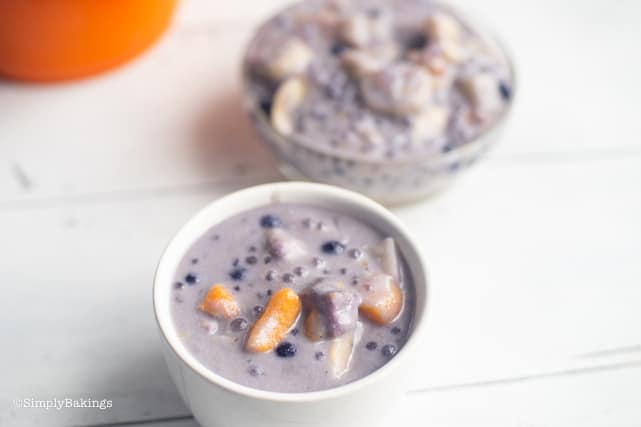
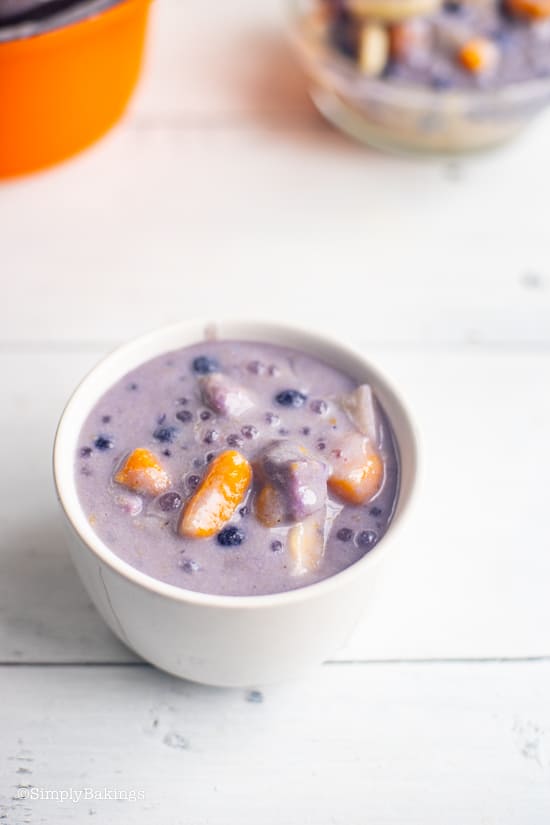
This Binignit is made with ube, taro, and tapioca pearls and is the ultimate snack or dessert. It's creamy, rich, and loaded with coconut flavor that will satisfy your craving and it's plant based and you can't even tell the difference!
Looking for more Filipino desserts? Try my Sweet Ginataang Munggo or my Easy Bilo Bilo!

What is Binignit?
Binignit (sweet stew or dessert soup) is a beloved dessert among Filipinos, and it's pretty simple to whip up. You just toss all the ingredients into a pot, give it a good stir, and let everything cook.
Originally from the Visayas island in the Philippines, Binignit has become a Holy Week tradition for Cebuano Roman Catholics. They eat it on Good Friday as a way of fasting. But nowadays, you can find Binignit in restaurants any day of the week.
While the basic recipe includes coconut milk, water, taro, ube, sweet potatoes, and saba bananas, people have gotten creative over the years, adding their own twist to it. Brown sugar is commonly used to sweeten Binignit for its rich flavor. And to make it even more fun, colorful tapioca pearls are often added at the end!
With its perfect mix of sweetness and warmth, Binignit is like a cozy hug, especially on rainy days.
What is the difference between bilo-bilo and binignit?
Bilo-bilo is a type of sticky rice ball made from glutinous rice flour. These balls are often cooked in sweet coconut milk and served with fruits like bananas and jackfruit.
Binignit, on the other hand, is a sweet soup or stew that usually contains a variety of root vegetables like taro, sweet potatoes, and purple yam (ube). It's cooked in coconut milk and sweetened with sugar, and sometimes it has bilo-bilo in it too.
So, while both bilo-bilo and binignit are made with coconut milk and can have similar ingredients, the main difference is that bilo-bilo focuses on the sticky rice balls, while binignit is more of a sweet soup with various ingredients.
Top Tips
- To make the binignit thicker and stickier, which I really enjoy, you can add ground rice flour or ground glutinous rice. Put this in the pot before adding the other ingredients because it takes longer to cook. Also, remember to adjust the amount of water since rice flour and glutinous rice soak up water while cooking.
Substitutions
- Coconut milk: Almond milk or regular milk.
- Water: Coconut water or milk.
- Brown sugar: White sugar, honey, muscovado sugar, or maple syrup.
- Taro: Sweet potatoes or yams.
- Ube: Purple sweet potatoes.
- Sweet potato: Yams or butternut squash.
- Saba banana: Plantains or regular bananas.
- Purple tapioca pearls: White tapioca pearls.
- Sago: Small tapioca pearls or chia seeds.
- Rice flour: All-purpose flour or cornstarch.
Variations
- Fruit Variation: Experiment with different fruits such as jackfruit, langka (jackfruit), or pandan jelly.
- Root Vegetables: Try using yams, cassava, or purple yam (ube) for a unique twist.
- Tapioca Pearl Alternatives: Use small or large sago pearls, or even chia seeds for added texture.
- Coconut Milk Replacement: Explore using other non-dairy milk alternatives like soy milk or oat milk for a different flavor profile.
Storage
- Refrigeration: Allow the Binignit to cool to room temperature before transferring it to an airtight container. Store it in the refrigerator for up to 3-4 days. Ensure the container is tightly sealed to prevent absorption of odors from other foods.
- Freezing: Binignit can be frozen for longer-term storage. Portion it into individual servings or larger batches, then place them in freezer-safe containers or heavy-duty freezer bags. Ensure to leave some space at the top of the container or bag to allow for expansion. Frozen Binignit can last for up to 2-3 months in the freezer.
- Thawing: When ready to enjoy frozen Binignit, transfer it to the refrigerator to thaw overnight. Alternatively, you can gently reheat it on the stovetop over low heat or in the microwave, stirring occasionally until heated through.
- Reheating: To reheat refrigerated or thawed Binignit, gently warm it in a saucepan over low to medium heat, stirring frequently to prevent burning or sticking. Alternatively, you can microwave it in short intervals, stirring in between, until heated to your desired temperature.
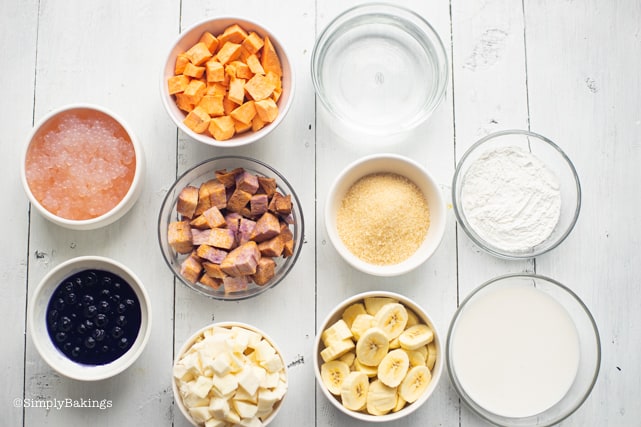
Ingredients
- coconut milk
- water
- brown sugar
- taro
- ube
- sweet potato
- saba banana
- purple tapioca pearls or regular tapioca pearls
- sago
- rice flour
Instructions
In a large pot over medium heat, add coconut milk and cook, and continuously stir until it thickens:
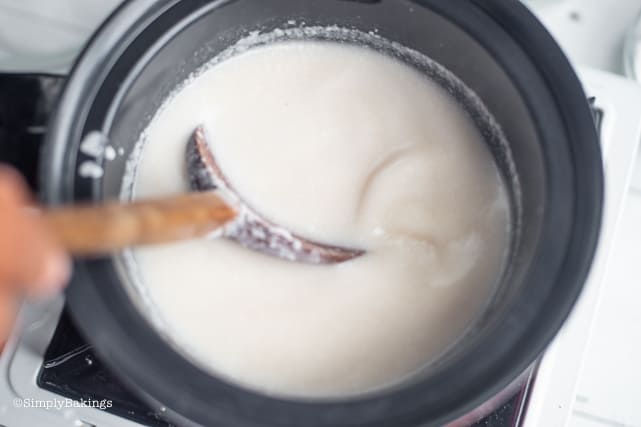
Then add 2 cups of water and continuously stir. If you love a soupy Binignit, add 1 more cup of water or coconut milk:
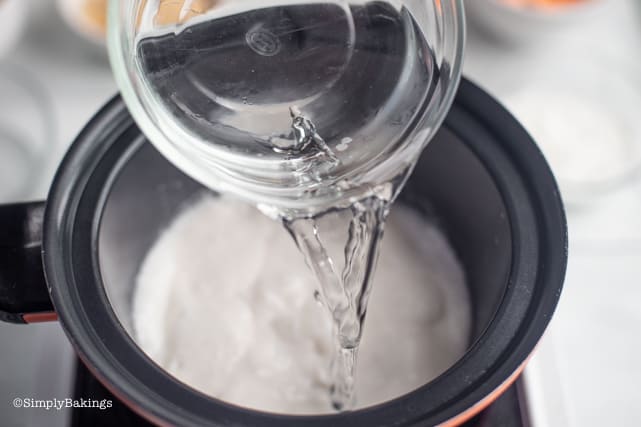
Once it boils, add brown sugar and continue to stir:
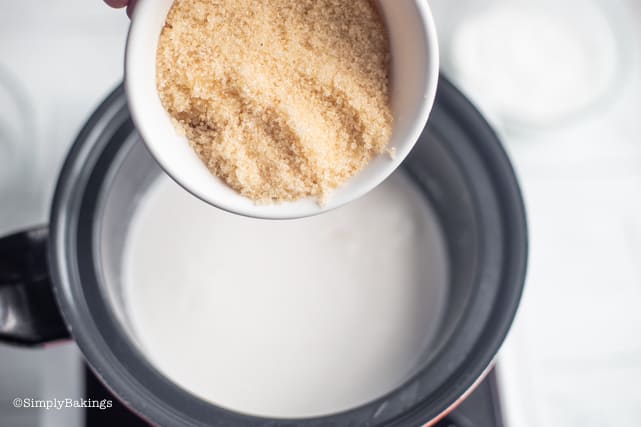
Once the sugar has melted, add the taro and cook for 5 minutes:

Then add the ube and cook for another 5 minutes:
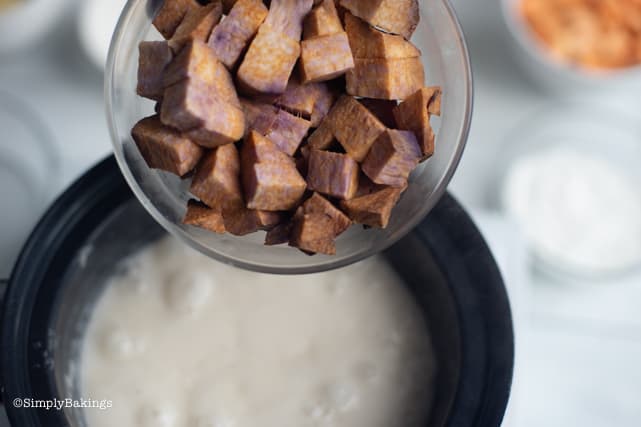
Next, add sweet potato for 5 minutes:
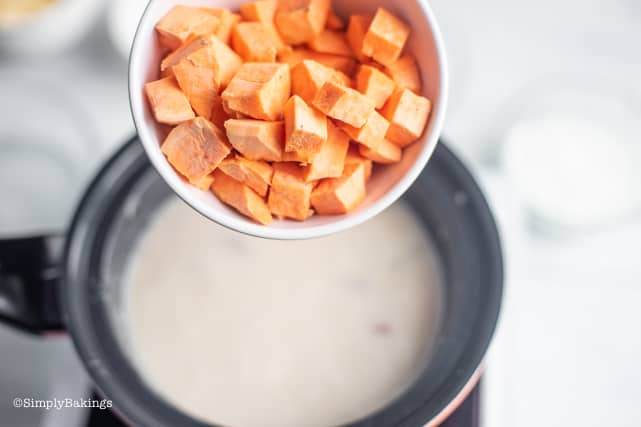
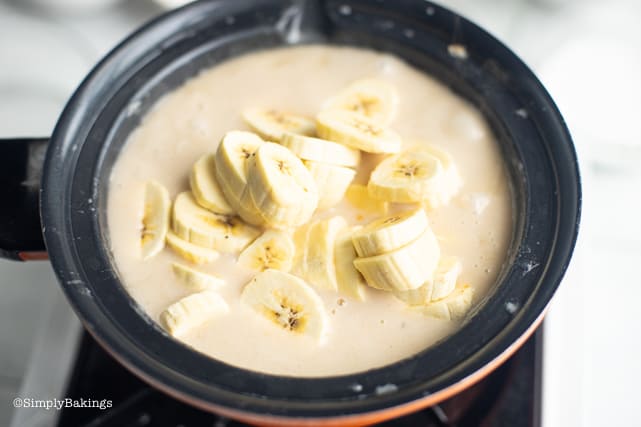
Add saba banana, cover and cook for 3 minutes:
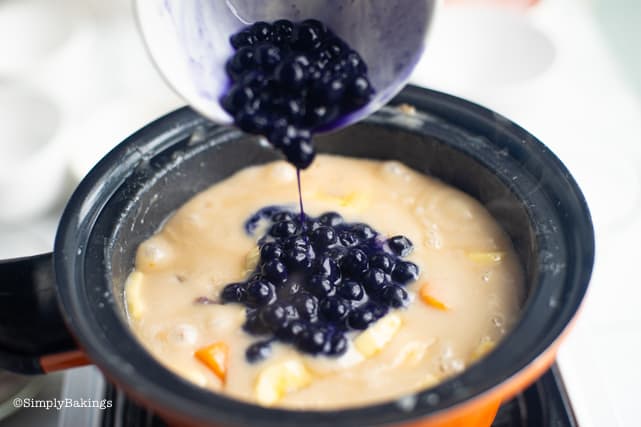
Now, let's do my favorite part and my favorite Binignit ingredient! Add the purple tapioca pearls:
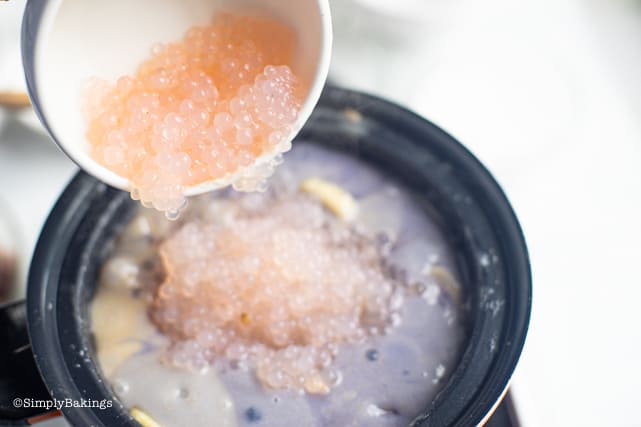
Then add sago and cover and cook for another 5 minutes:
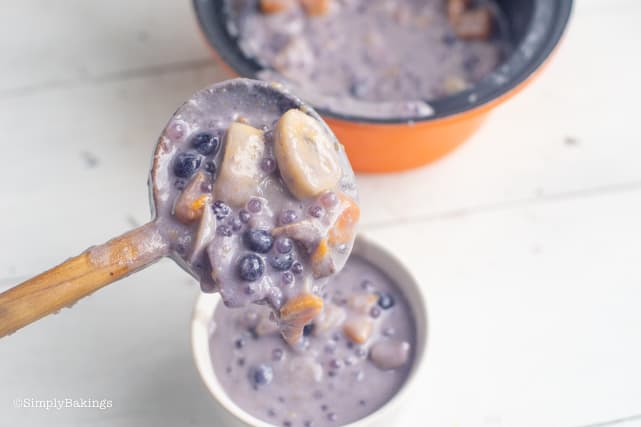
Serve and enjoy.
Frequently Asked Questions

Best Binignit
Ingredients
- 2 cups coconut milk
- 2 cups water add 1 more cup if you prefer it soupy
- 1 cup brown sugar
- 1 cup taro cut into small cubes
- 1 cup ube purple yam, cut into small cubes
- 1 cup sweet potato cut into small cubes
- 5 saba bananas thinly chopped
- ½ cup purple tapioca pearls*
- ¾ cup sago pearls*
- ¼ cup rice flour optional
Instructions
- In a large pot over medium heat, add coconut milk and cook and continuously stir until it thickens.
- Then add 2 cups of water and continuously stir and once it boils, add brown sugar and continue to stir.
- Once the sugar has melted, add the taro cook for 5 minutes, then add ube and sweet potato for 5 minutes.
- Add saba banana, cover and cook for 3 minutes.
- Add purple tapioca pearl and sago and cover, cook for 5 mins.
- Serve and enjoy.
Notes
Watch The Recipe Video!



Jacob L says
Wow! This tastes like how my Grandma makes it! Thank you so much!